Last updated October 31, 2026
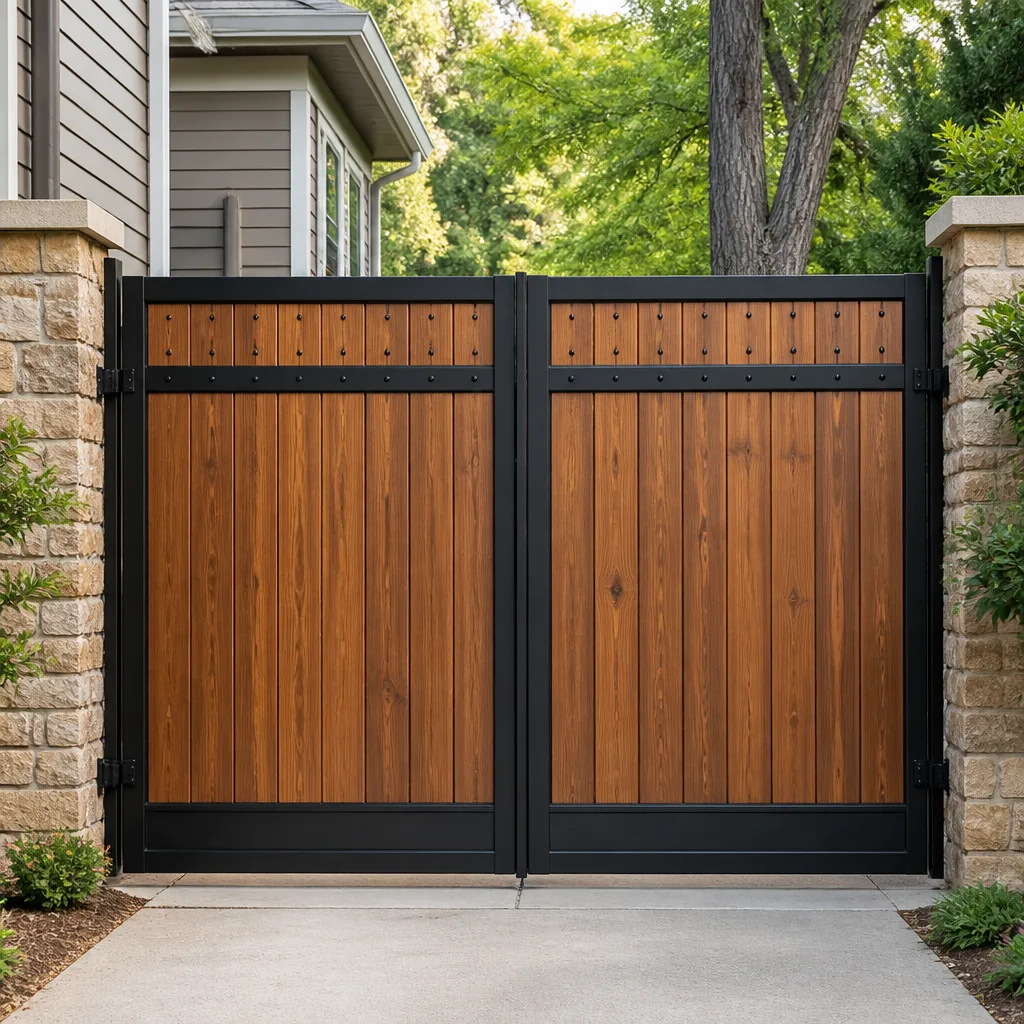 Wood & steel frame
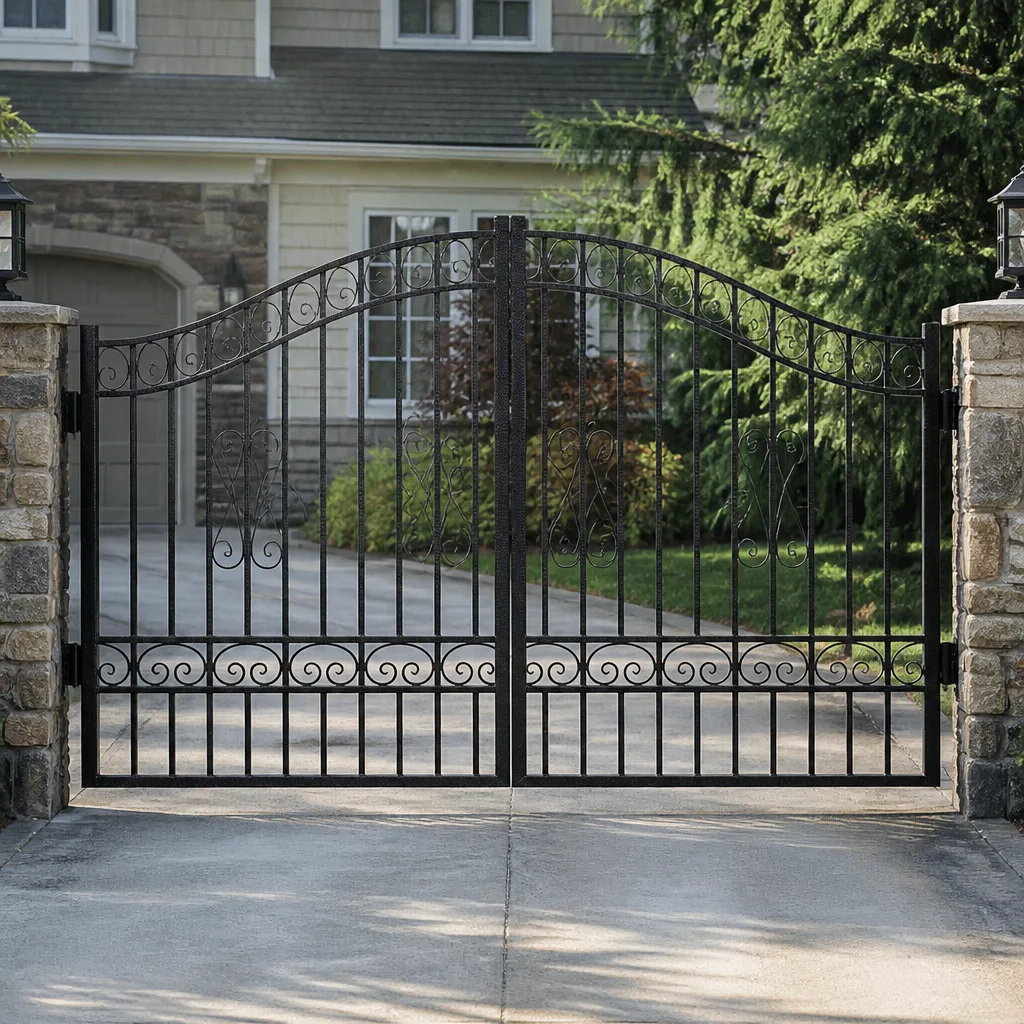 Wrought iron
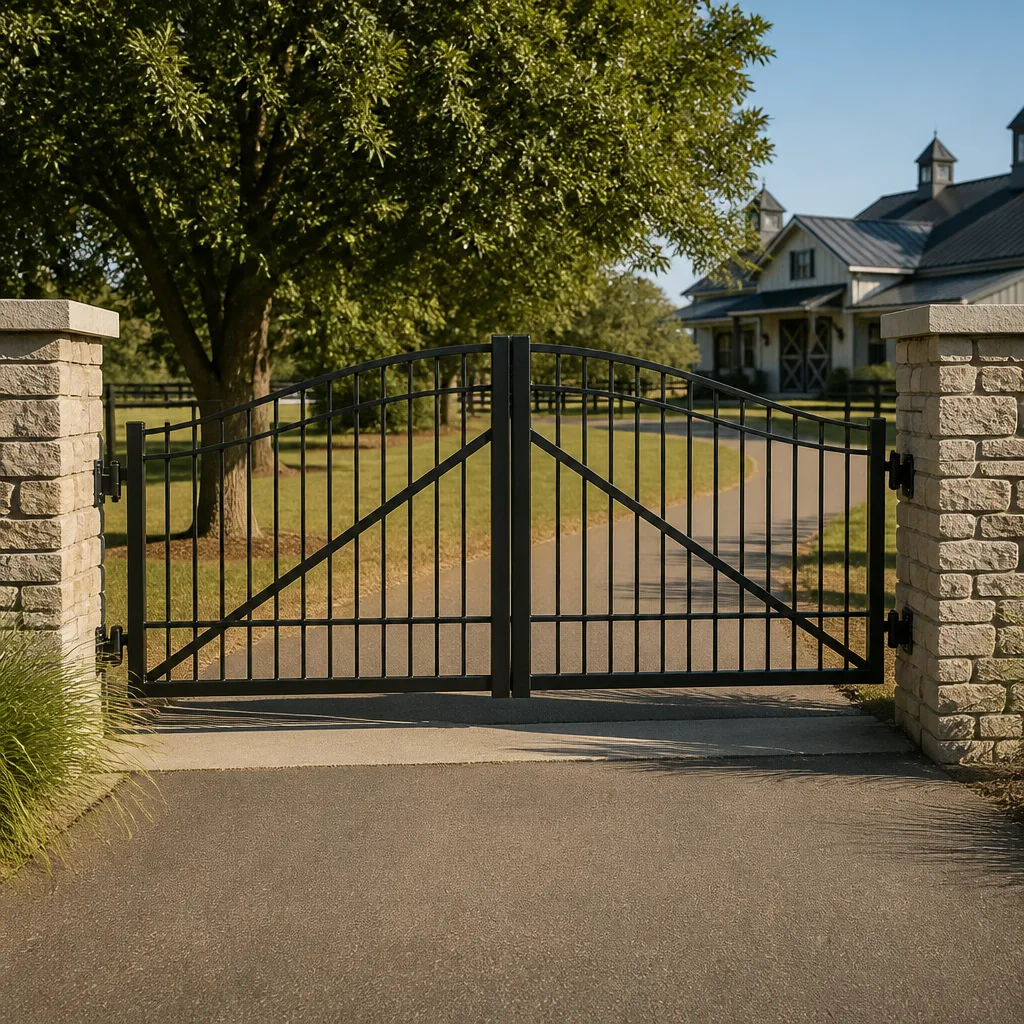 Farm & ranch
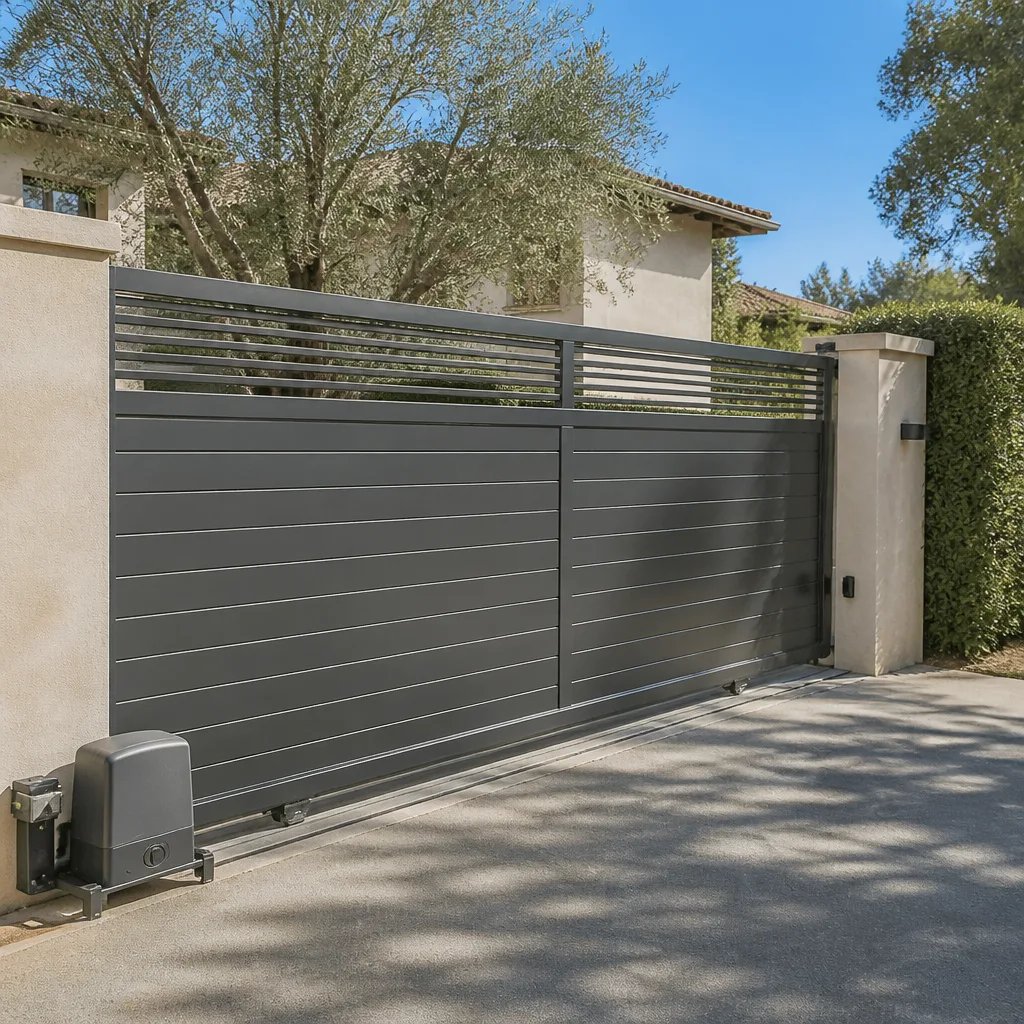 Sliding driveway gates
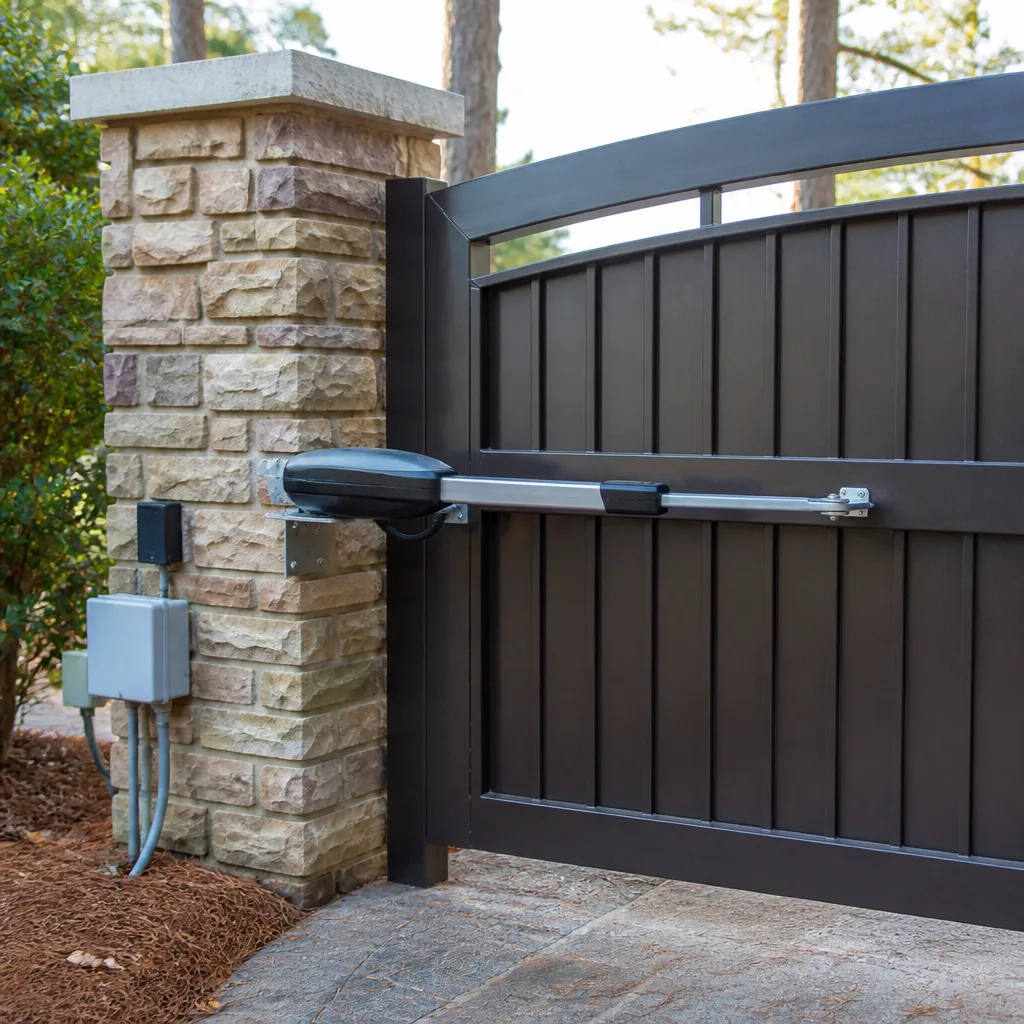 LiftMaster operators
Free on-site gate assessment - hinges, posts, and your LiftMaster or Nice gate operator checked before anything is quoted
The assessment is free and the quote is the invoice.
Get your free estimateGate Repair Emergency Preparedness Guide for Hollywood Homes
During the 72 hours after a named storm hits Hollywood, the most common emergency call we receive is from a homeowner who can’t get their car out of their own property. Not because the gate was destroyed. Because nobody in the house ever located the operator’s manual release. Hollywood’s combination of hurricane exposure, salt air, and high-volume daily gate cycles creates a specific set of failure patterns that most generic preparedness guides never address. This guide covers what actually happens to automated gates in Hollywood before, during, and after a storm, how to prepare a system you rely on every day, and what to do when the power is out and your gate won’t budge.
Quick Answer
Hollywood homeowners should prepare for gate emergencies by locating and testing their operator’s manual release before storm season, documenting the gate’s model number and access-code override on a one-page emergency card, and knowing whether the system has a battery backup. When a gate fails during or after a storm, the first step is always the manual release, followed by a visual inspection of the operator, hinges, and safety edges before restoring power. Carter Gate Repair provides Gate Repair in Hollywood for storm-damaged and mechanically failed systems, with experience across LiftMaster, FAAC, BFT, and Linear operators.
Styles & brands we work with
Table of Contents
- How to Operate the Manual Release on Hollywood’s Most Common Gate Operators
- Battery Backup Systems: What Hollywood Gate Operators Support Them
- What to Tell the Gate Technician During an Emergency Call
- Creating a One-Page Gate Emergency Card for Your Property
- After the Hurricane: The Inspection Sequence Before Restoring Power
- Why Hollywood Gates Fail Differently Than Inland Systems
- Preventive Maintenance That Reduces Emergency Calls
How to Operate the Manual Release on Hollywood’s Most Common Gate Operators
Every automated gate operator installed in Hollywood has a manual release mechanism. It exists so you can open or close the gate by hand when the motor loses power, the control board fails, or a safety sensor locks the system in place. The problem is that most homeowners never touch it until the day they need it, and by then they’re standing in the rain trying to figure out which lever to pull. We’ve walked dozens of Hollywood residents through this exact moment over the phone, and the pattern is always the same: the release is located in the same general area on every operator, but the specific action differs by brand.
Here’s a step-by-step process that works across all brands:
- Locate the operator housing. For slide gates, it’s the box mounted on the gate post or on a concrete pad beside the track. For swing gates, it’s usually mounted on the gate itself or on the pillar. For barrier-arm gates, it’s inside the cabinet at the base of the arm.
- Find the release handle or key. Most Hollywood residential operators have either a pull handle, a keyed release, or a small lever. LiftMaster and Linear units typically have a red or yellow pull handle on the side or bottom of the operator. FAAC and BFT units often use a keyed release cylinder. Some models have a small access door that swings open to reveal the release mechanism.
- Disengage the motor. Pull the handle, turn the key, or flip the lever. You should hear or feel a mechanical click as the gear disengages from the drive mechanism.
- Move the gate by hand. Once disengaged, a properly balanced gate should move with moderate effort. If it feels extremely heavy or won’t budge, the problem is mechanical, not electrical, and forcing it can damage the gear box, wheels, or hinge bearings.
- Re-engage when power returns. Return the handle, key, or lever to its original position. On most units, the gate will not operate electrically until the release is fully re-engaged and the operator recognizes the reset.
One Hollywood-specific caution: salt air accelerates corrosion on release mechanisms that are exposed to the elements. If the handle or key won’t turn, don’t force it. Spray the mechanism with a light penetrating lubricant, wait a few minutes, and try again. If it still won’t move, call for Electric Gate Repair in Hollywood before you break the release assembly and turn a simple job into a parts replacement.
Battery Backup Systems: What Hollywood Gate Operators Support Them
Battery backup for gate operators is not standard equipment. It’s an add-on module that some Hollywood homeowners choose during installation and most never think about until the first power outage. The critical distinction is this: a battery backup keeps the gate operational for a limited number of cycles after utility power fails. It does not keep the gate running indefinitely, and in most residential systems, the expected runtime is measured in a handful of open-and-close cycles over 24 to 48 hours, not continuous operation.
Here’s what you need to know about the most common Hollywood installations:
- LiftMaster residential slide and swing operators: Many models accept a factory battery backup kit that installs inside or adjacent to the operator housing. Expect 20 to 40 full cycles depending on gate weight and battery age. Hollywood residents with LiftMaster systems installed in the last decade often have the wiring in place even if the battery was never installed.
- FAAC swing operators: FAAC offers battery backup options for several residential models, but the wiring configuration varies significantly between the hydraulic and electromechanical lines. Don’t assume compatibility without checking the specific model number.
- BFT residential operators: BFT’s battery backup kits are model-specific and typically provide fewer cycles than comparable LiftMaster units due to the higher current draw on BFT control boards. If your Hollywood gate is heavy ornamental iron, the runtime will be shorter than the manufacturer’s published figures.
- Linear operators: Linear’s residential line has battery backup available on select models, but many older Linear units in Hollywood were installed before battery-ready boards were standard. If your operator is more than 10 years old, it likely needs a board swap to accept a backup battery.
Testing before storm season is the only way to know your backup actually works. Here’s the sequence we recommend to Hollywood homeowners every June, before hurricane season peaks:
- Find the operator’s circuit breaker or disconnect switch. This is usually in the main electrical panel, labeled “gate” or “gate operator.”
- Cut power to the operator. Flip the breaker or pull the disconnect.
- Attempt to open and close the gate normally. If the backup battery is functional, the gate should operate, though possibly at a slightly slower speed.
- Run three full cycles. If the gate slows noticeably or stops before three cycles, the battery is degraded and should be replaced before storm season.
- Restore power and verify the battery recharges. Most modern boards have an LED that indicates charging status.
If your Hollywood gate system doesn’t have a battery backup and you want one installed, that’s a decision best made before the storm forms, not after it’s named. Gate Installation in Hollywood includes battery-ready wiring on every new operator we install, even when the battery itself is added later.
What to Tell the Gate Technician During an Emergency Call
The difference between a 20-minute emergency repair visit and a two-hour diagnostic marathon often comes down to what the homeowner communicates during the initial call. Hollywood’s mix of older and newer gate systems means there’s no universal diagnostic path, and the technician’s first questions exist to narrow down the problem before anyone gets in the truck. Answering these efficiently saves time on site, which saves you money on hourly labor.
Here’s the information a gate repair technician needs during an emergency call, in priority order:
- Operator brand and model number. The model number is usually printed on a sticker inside the operator housing or on the control board. For LiftMaster, it starts with an “LA” or “SL” prefix on residential units. FAAC model numbers start with a letter like “S” or “C” followed by digits. BFT and Linear have their own formats. If you can’t find the model, tell the technician the brand and what year the system was installed.
- Is there power to the operator? This may sound basic, but many Hollywood emergency calls are resolved by checking a tripped GFCI outlet or a tripped breaker that the homeowner didn’t know existed. If the operator lights are out entirely, the problem is almost certainly electrical.
- What exactly is the gate doing? Describe the symptom precisely: won’t open, won’t close, opens partway and reverses, humming but not moving, no sound at all, or moves slowly. Each symptom points to a different subsystem: the control board, a failing capacitor, a broken gear, a safety sensor issue, or a mechanical binding in the track or hinges.
- Have you tried the manual release? If you’ve already disengaged the operator and the gate still won’t move by hand, that changes the entire diagnosis. A gate that won’t move manually has a mechanical problem, not an electrical one, and the technician needs to bring different tools.
- Is there any storm damage visible? Bent gate panels, broken wheels, shifted posts, or debris in the track tell the technician what to expect before arrival. Photographs sent to the dispatcher can be extremely useful.
We’ve found that Hollywood homeowners who have their gate emergency card (covered in the next section) prepared before calling get diagnosed and dispatched significantly faster than those who don’t. The information is the same; the difference is retrieval speed under stress.
Creating a One-Page Gate Emergency Card for Your Property
The gate emergency card is a single sheet of paper, stored where any family member or tenant can find it, that contains everything a technician or a panicked homeowner needs to know about the gate system. This is not a complex document. It takes 10 minutes to create and can save hours of frustration during an actual emergency. We recommend Hollywood property managers create one for every gate on every property, and homeowners keep one taped inside the garage or electrical panel door.
Here’s what belongs on the card:
- Operator brand and model number. This is the single most important piece of information. Without it, the technician is guessing.
- Manual release location and operation. Write down where the release is and how to operate it. “Behind the small access door on the operator box, pull the red handle down.” The next person who needs this information might be standing in the rain at 3 a.m.
- Access code override. If your gate has a keypad, write the entry code on the card. Also note if there’s a physical key override for the keypad or a separate pedestrian gate lock.
- Battery backup status. Note whether the system has a battery backup, when it was last tested, and when it was last replaced. This tells the technician what to expect when diagnosing a power-related failure.
- Breaker location. Identify which breaker in the main panel controls the gate operator. In many Hollywood homes, the gate breaker is not labeled, and the discovery process during an emergency wastes valuable time.
- Service contact information. Include the phone number for your gate service provider. For Hollywood homeowners who use Carter Gate Repair, that number is (866) 665-5592.
For Hollywood’s condominium and HOA communities, we recommend laminating the card and posting it in the gate equipment room, the management office, and the community bulletin board. When multiple people may need to operate the gate during an emergency, the card eliminates the “who knows how to do this” problem entirely.
After the Hurricane: The Inspection Sequence Before Restoring Power
When the power comes back on after a storm, the gate operator will attempt to power up immediately. If the system was exposed to flooding, wind-driven rain, or physical damage during the hurricane, that instant power-up can cause additional damage to a control board that might otherwise have survived. The inspection sequence below is what we follow when responding to Hollywood post-storm gate failures, and it’s what we recommend homeowners do before letting the operator draw power again.
- Visually inspect the operator housing. Look for standing water inside the housing, water stains on the control board, or debris packed into the enclosure. Do not touch anything inside the housing with wet hands or while standing in water.
- Check the gate track or swing path. Storms push debris, branches, and mud into the path of slide gates and under swing gates. Clear everything before attempting to operate the gate, manually or electrically.
- Inspect the gate wheels and hinges. Look for bent or broken wheels on slide gates, cracked hinge welds on swing gates, and any sign that the gate post or supporting structure shifted during the storm. A shifted post means the gate geometry has changed, and the operator will fight the misalignment every time it cycles.
- Check all low-voltage wiring. Safety edges, loop detectors, photocells, and keypads are all wired back to the control board with low-voltage cabling. Storm damage often pulls these connections loose or shorts them against the gate frame. Loose safety-edge connections are the most common cause of a gate that opens but won’t close after a storm.
- Confirm the manual release is re-engaged. If anyone used the manual release during the power outage, the operator must be fully re-engaged before power is restored. On most Hollywood systems, the board will refuse to operate if the release is even partially disengaged.
- Restore power and test one full cycle. Watch and listen during the first cycle. Grinding noises, hesitation, or a gate that stops mid-cycle means further inspection is needed. Turn the breaker off and call for service rather than cycling the gate repeatedly and compounding the damage.
If flood water reached the operator housing, the board may need to be removed, dried, and tested. In saltwater-adjacent Hollywood neighborhoods, corrosion can begin within 48 hours. Don’t wait a week to address a flood-exposed operator. Call Electric Gate Repair in Hollywood as soon as the storm passes for a damage assessment.
Why Hollywood Gates Fail Differently Than Inland Systems
Hollywood, Florida is a coastal municipality with a subtropical climate, which means gate systems here face three environmental stressors that inland Florida communities don’t experience with the same intensity. These stressors dictate the failure patterns we see most often, and understanding them helps homeowners anticipate problems before they become emergencies.
Salt air corrosion. The Atlantic is less than three miles from most of Hollywood, and the prevailing onshore breeze carries salt particles inland well past Federal Highway. Those particles settle on every exposed metal surface: gate hinges, operator housings, control board connections, and the copper low-voltage wiring inside the operator enclosure. The result is a corrosion rate on gate components that runs measurably higher than what we see 20 or 30 miles inland. Hinges that would last 15 years in Weston may need replacement in 8 years in Hollywood. Control board terminals that would stay clean for a decade in Pembroke Pines can develop resistance-causing corrosion in 5 years along Hollywood Beach.
Hurricane wind loading. Hollywood’s building codes require gates and their operators to withstand hurricane-force winds, but “withstand” does not mean “continue to function perfectly after the storm.” Wind loading flexes gate panels, stresses hinge welds, and can shift the posts that anchor slide-gate tracks. After a direct or near-direct hit, we routinely find gates that operate but bind at a specific point in the cycle, a telltale sign that the geometry shifted just enough to throw the track alignment off by a fraction of an inch. Left unattended, that binding causes the operator motor to work harder, which shortens its lifespan even as the gate continues to function.
High-humidity electronics stress. Hollywood’s ambient humidity sits above 70 percent much of the year, and that humidity finds its way into gate operator enclosures. Control boards that are well-sealed can handle it for years. Boards with worn gaskets or cracked enclosures will eventually develop condensation on the PCB, which leads to intermittent faults that are notoriously difficult to diagnose. We’ve seen Hollywood operators fail only on the most humid days of the year, which is also when the homeowner is most likely to be relying on the gate.
These environmental realities are why we recommend Hollywood homeowners take a preventive posture with gate maintenance rather than a reactive one. A system inspected twice a year, with corrosion addressed early and alignment verified before hurricane season, is dramatically less likely to fail during the exact moment when gate access matters most. Visit the Carter Gate Repair home page to learn how our Hollywood service area works.
Preventive Maintenance That Reduces Emergency Calls
Emergency preparedness is not just about knowing what to do when the gate fails. A meaningful part of preparedness is reducing the probability of failure in the first place. The maintenance items below are the ones we’ve found make the biggest difference for Hollywood gate systems, whether the operator is a LiftMaster, FAAC, BFT, or Linear unit.
Twice-yearly hinge and track lubrication. Every moving metal part on a Hollywood gate is fighting salt air corrosion, and lubrication is the primary defense. Use a lithium-based grease on slide-gate wheels and a light machine oil on swing-gate hinge pins. The schedule matters more than the product: twice a year, once in spring before hurricane season and once in fall after the worst of the salt-heavy summer winds have passed.
Corrosion inspection of electrical connections. Open the operator enclosure and look at the terminal blocks where low-voltage wire connects to the control board. Green corrosion on those terminals is the leading cause of intermittent gate problems in Hollywood. A wire brush and a small amount of dielectric grease on clean terminals will prevent most of these issues for another six months.
Safety sensor alignment and cleaning. Photocells and safety edges are the gate equivalent of brake pads: they protect people from injury, and they’re the first components to drift out of spec. Wipe the photocell lenses with a dry cloth, verify the safety edge makes contact across its full length, and test that the gate reverses when the sensor is triggered. A gate that fails to reverse is a serious safety hazard, not a maintenance annoyance.
Operator cycle count awareness. Most modern operators track cycle counts internally. If your Hollywood gate cycles 40 times a day during the school year and 100 times a day during peak season, the operator reaches its rated service interval much faster than the manufacturer’s calendar-based lifespan suggests. A technician who can read the cycle count from the board can tell you whether the unit is at 20 percent of its service life or 90 percent, and that information changes the repair-versus-replace calculation.
Battery backup test. Covered in detail above, but worth repeating: test the battery backup twice a year, not once. A battery that passes in May can degrade over the summer heat and fail in August. The heat inside a Hollywood operator enclosure in direct summer sun exceeds 130 degrees Fahrenheit, and heat is the primary battery killer.
Common Mistakes to Avoid
- Forcing a gate that has seized. If the gate won’t move with the operator disengaged, the problem is mechanical. Pushing harder on a seized Hollywood gate bends the gate panel, breaks wheels, or strips the gear box, turning a repair into a replacement.
- Ignoring a gate that closes abnormally slow. Slow operation is not a personality trait; it’s a symptom. It usually indicates a failing capacitor, a binding mechanical component, or low voltage at the operator. All three conditions get worse with time, and all three are cheaper to fix early than after failure.
- Failing to label the gate breaker. In many Hollywood homes, the electrical panel has 40 breakers and none of them say “gate.” Take five minutes to identify and label the correct breaker now. Your future self will thank you during the next outage.
- Calling a generic handyman for gate electrical problems. Gate operators mix line voltage with low-voltage control wiring, safety sensors, and access-control logic. A handyman who fixes fences and garage doors is not equipped to diagnose a failing BFT control board or a misaligned FAAC torque limiter. The result is usually a replacement quote for a problem that could have been repaired.
- Waiting until storm season to address a known issue. We see this every year in Hollywood: a gate that’s been acting up for months finally dies during the first named storm. The repair is the same work, but now it happens in the rain, under time pressure, and with the homeowner trapped inside or outside their property.
- Replacing the operator when the problem is the gate itself. A binding hinge, a bent track, or a sagging gate panel will destroy any operator attached to it. Hollywood homeowners who replace an operator without addressing the underlying mechanical problem usually repeat the replacement in three to five years.
See the difference
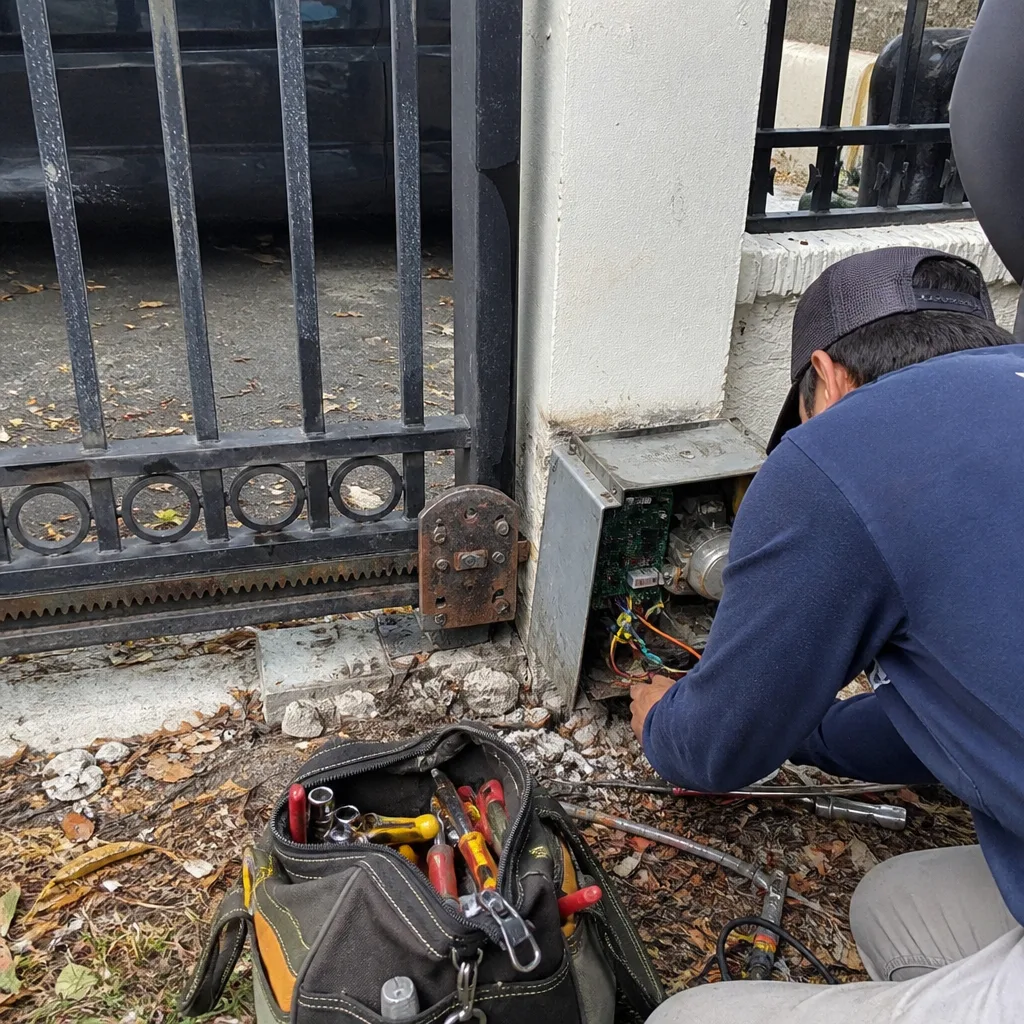 Before
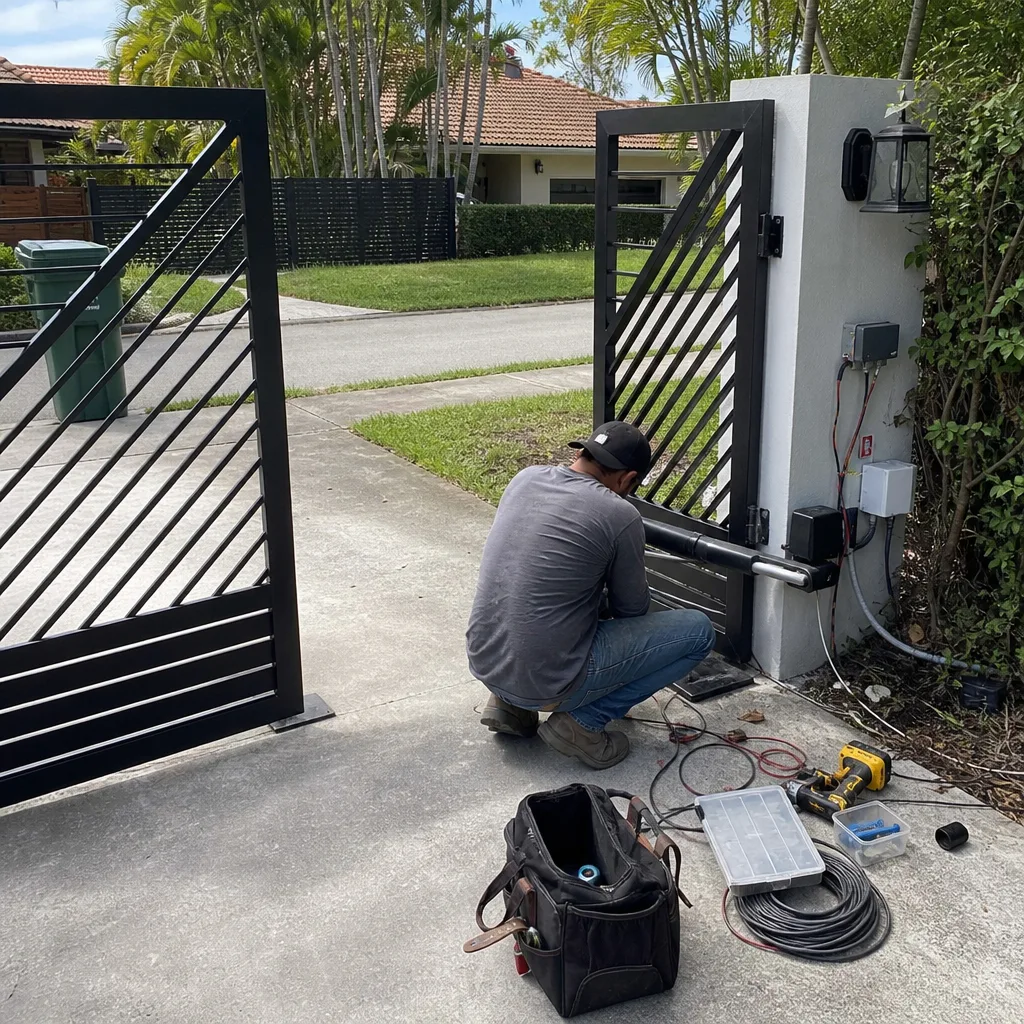 After
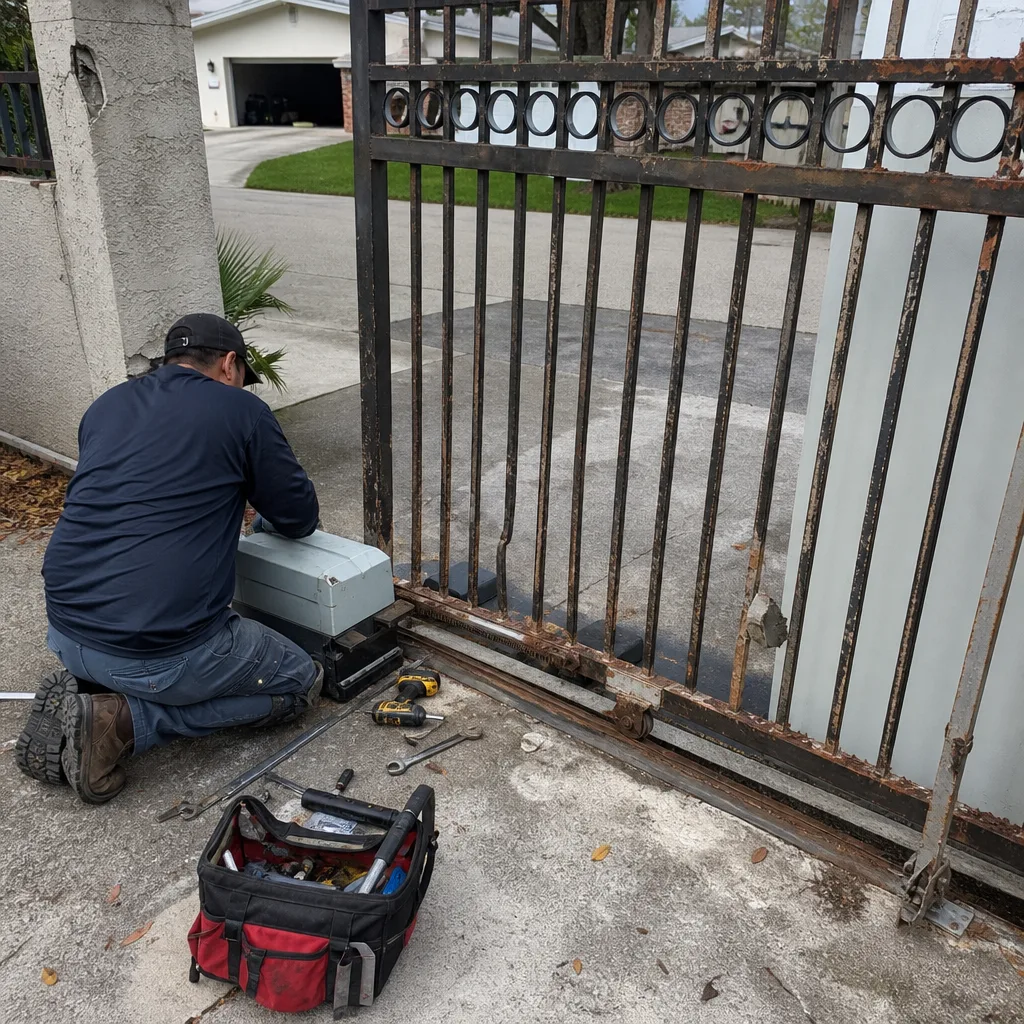 Before
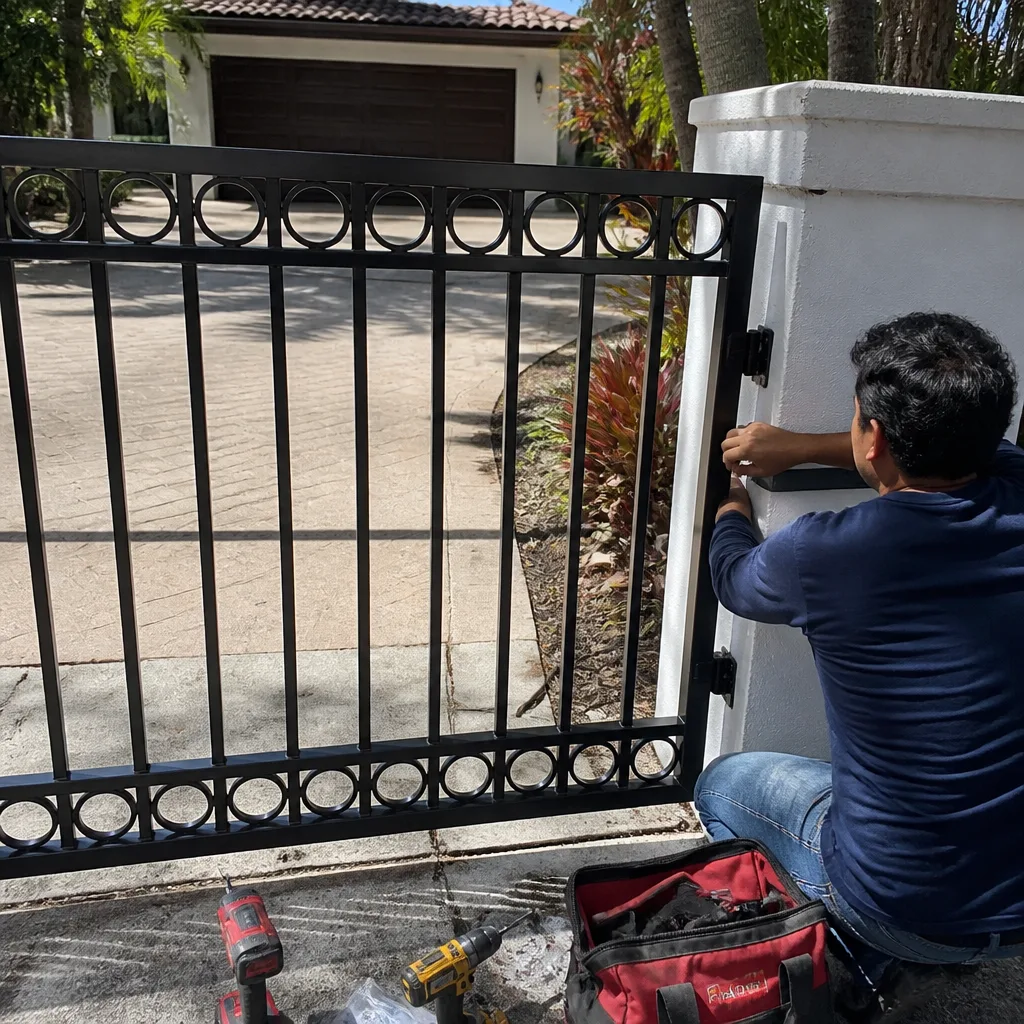 After
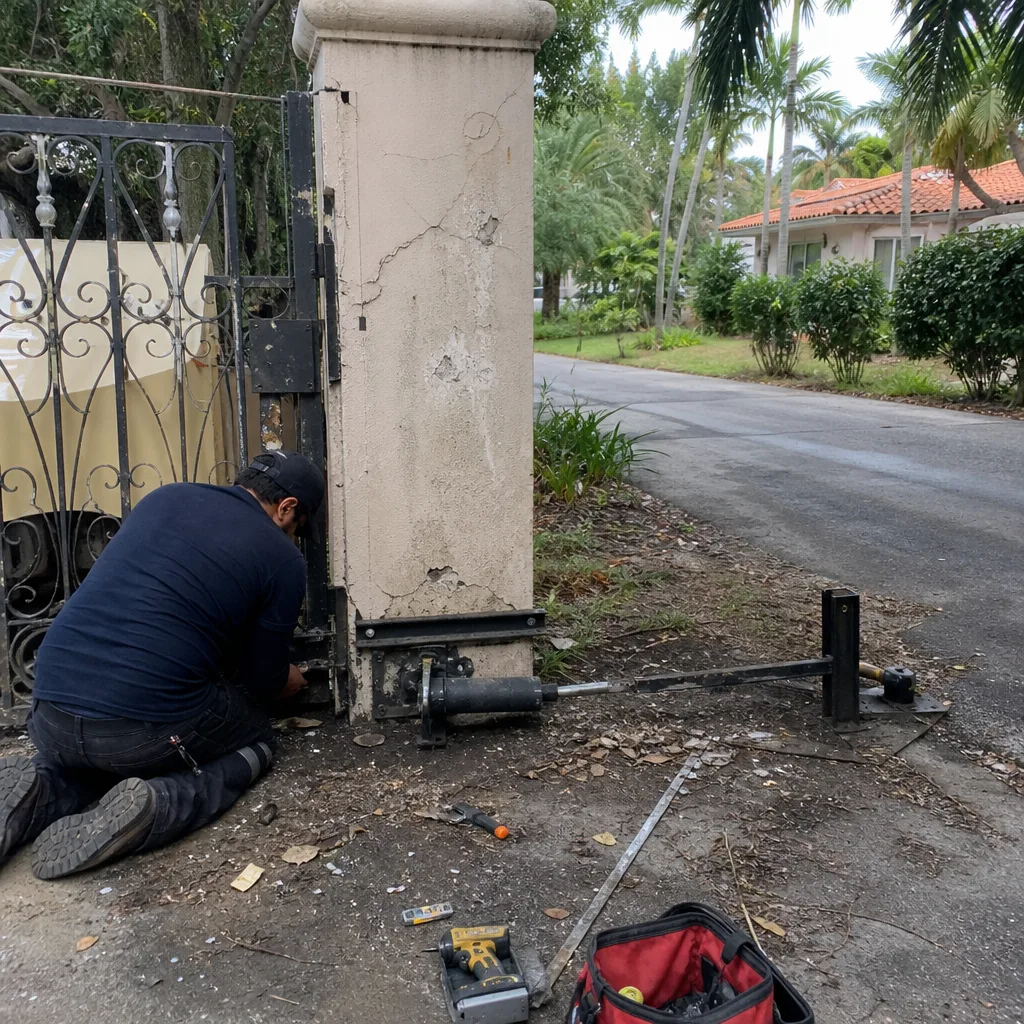 Before
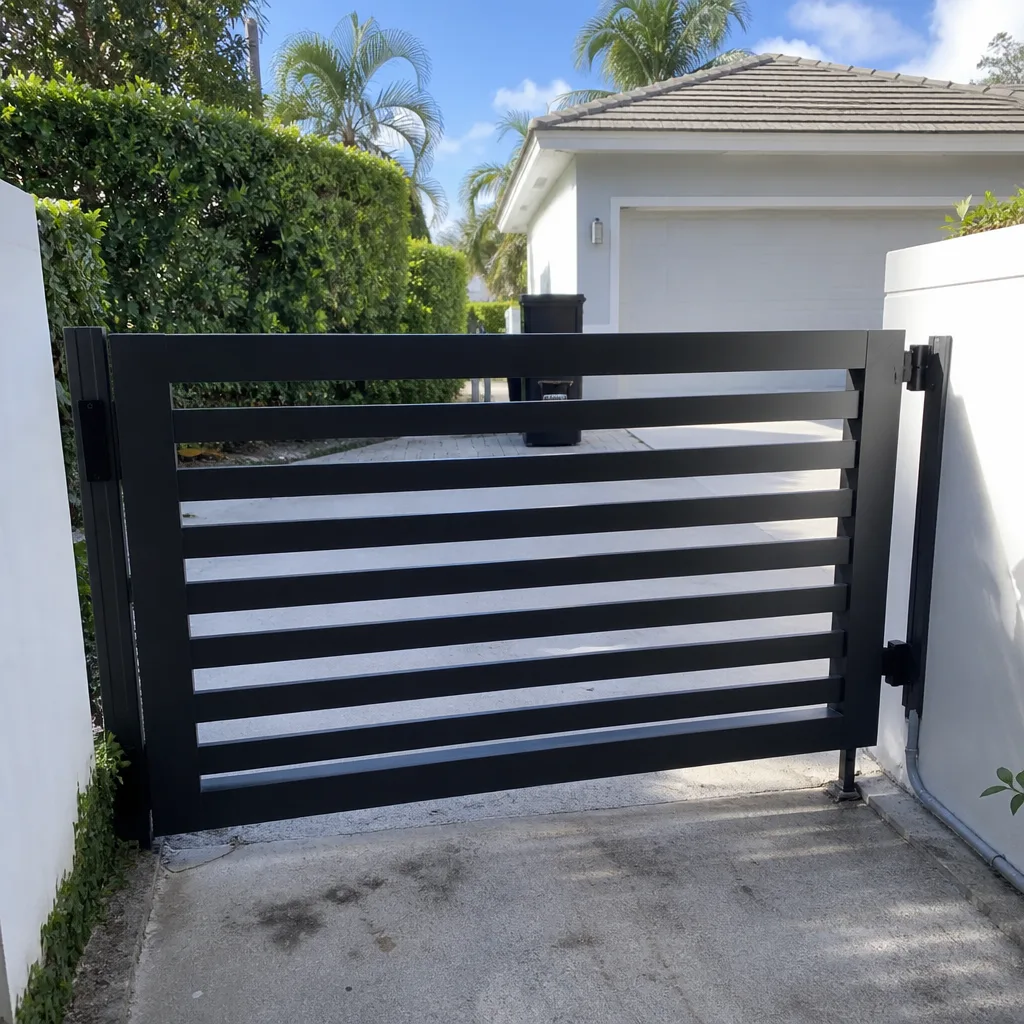 After
When to Call a Professional
Some gate problems are straightforward enough for a homeowner to handle: clearing debris from the track, testing the manual release, resetting a tripped breaker. Others require specialized knowledge and tools. Call a gate professional when the control board shows signs of water damage or corrosion, when the gate operates erratically rather than predictably, when the operator hums but doesn’t move the gate, when safety sensors fail to reverse the gate, or when the gate has sustained visible damage from a storm or a vehicle impact. Electrical work inside a gate operator enclosure involves both line voltage and low-voltage systems, and unrelated repairs can introduce problems that didn’t exist before the homeowner opened the housing. Gate Repair in Hollywood from Carter Gate Repair covers mechanical and electrical failures across every major operator brand, and estimates are free. Call (866) 665-5592 to schedule an assessment.
Frequently Asked Questions
Locate the manual release mechanism on your gate operator and disengage the motor from the drive system, then push or pull the gate open by hand. The release is typically a pull handle, keyed cylinder, or lever on the operator housing. If your system has a battery backup, test it first by attempting normal operation with the breaker off; if it works, you don’t need to use the manual release at all.
It depends on the operator’s installation quality, enclosure condition, and exposure to flooding. Operators mounted on solid concrete pads with intact enclosures and sealed wiring penetrations often survive direct hits with only minor alignment issues. Operators in low-lying Hollywood neighborhoods that flooded, or systems with cracked enclosures, frequently lose control boards to water intrusion even when the operator itself remains intact.
Emergency gate repair in Hollywood typically ranges from $150 to $450 for common failures like a bad capacitor, a tripped safety sensor, or a misaligned track, while control board replacement runs $400 to $1,200 depending on the operator brand and model. Flood-damaged systems may require additional electrical work. Call (866) 665-5592 for an exact quote based on your operator; estimates are free, and the price is agreed before any work begins.
LiftMaster is the most common residential gate operator brand in Hollywood, followed by FAAC and BFT on higher-end swing gates and Linear on older slide-gate installations. Each brand has distinct failure patterns, and a technician who works on all of them can diagnose your specific system without a learning curve. Carter Gate Repair’s service area includes Gate Installation in Hollywood for complete system replacements when repair is no longer cost-effective.
Same-day availability depends on the current call volume, but Carter Gate Repair prioritizes storm-related gate failures and security-compromising breakdowns over routine service requests. Call (866) 665-5592 as early as possible and have your operator brand and symptom description ready to speed up dispatch decisions.
A battery backup is strongly recommended for any Hollywood gate that’s the primary access point to a property where residents may need to enter or exit during a power outage. If you can tolerate the gate being inoperable for 24 to 72 hours and have the manual-release procedure documented for everyone in the household, a battery is optional. If the gate is the only way in or out, the backup pays for itself the first time the power fails.
The Bottom Line
Hollywood gate emergencies are predictable in their causes and manageable in their consequences when the homeowner has prepared. Locate the manual release, test it while the weather is calm, and write down how to use it. Confirm whether your operator has a working battery backup and test it twice a year. Create the one-page gate emergency card with the model number, code override, breaker location, and service phone number. After a storm, run the inspection sequence before restoring power. And when the gate fails in a way you can’t diagnose or safely repair, call a specialist who works on the gate you have, not just the gates they sell. Carter Gate Repair serves Hollywood with free estimates and brand-agnostic service across LiftMaster, FAAC, BFT, Linear, and five other major operator brands. Call (866) 665-5592.
Written by the team at Carter Gate Repair, serving Hollywood since 2015.