Last updated October 31, 2026
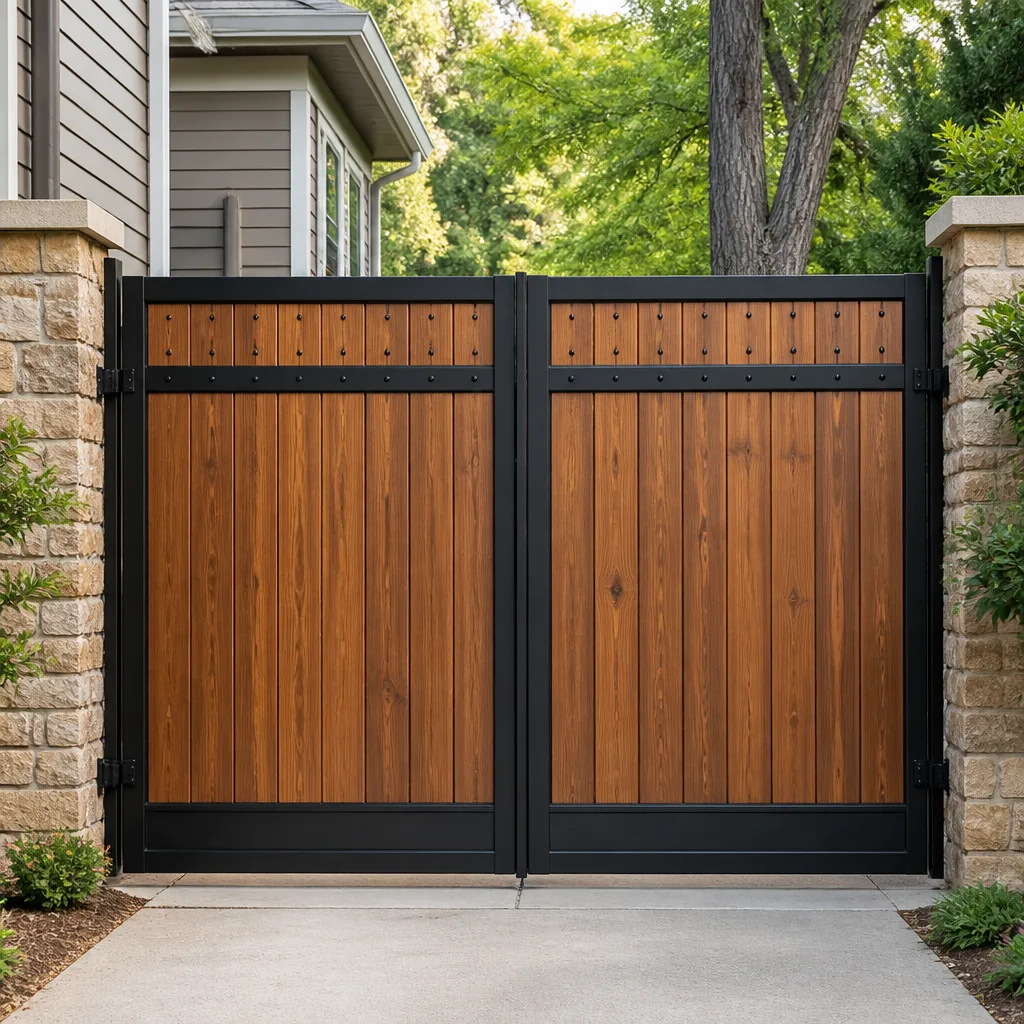 Wood & steel frame
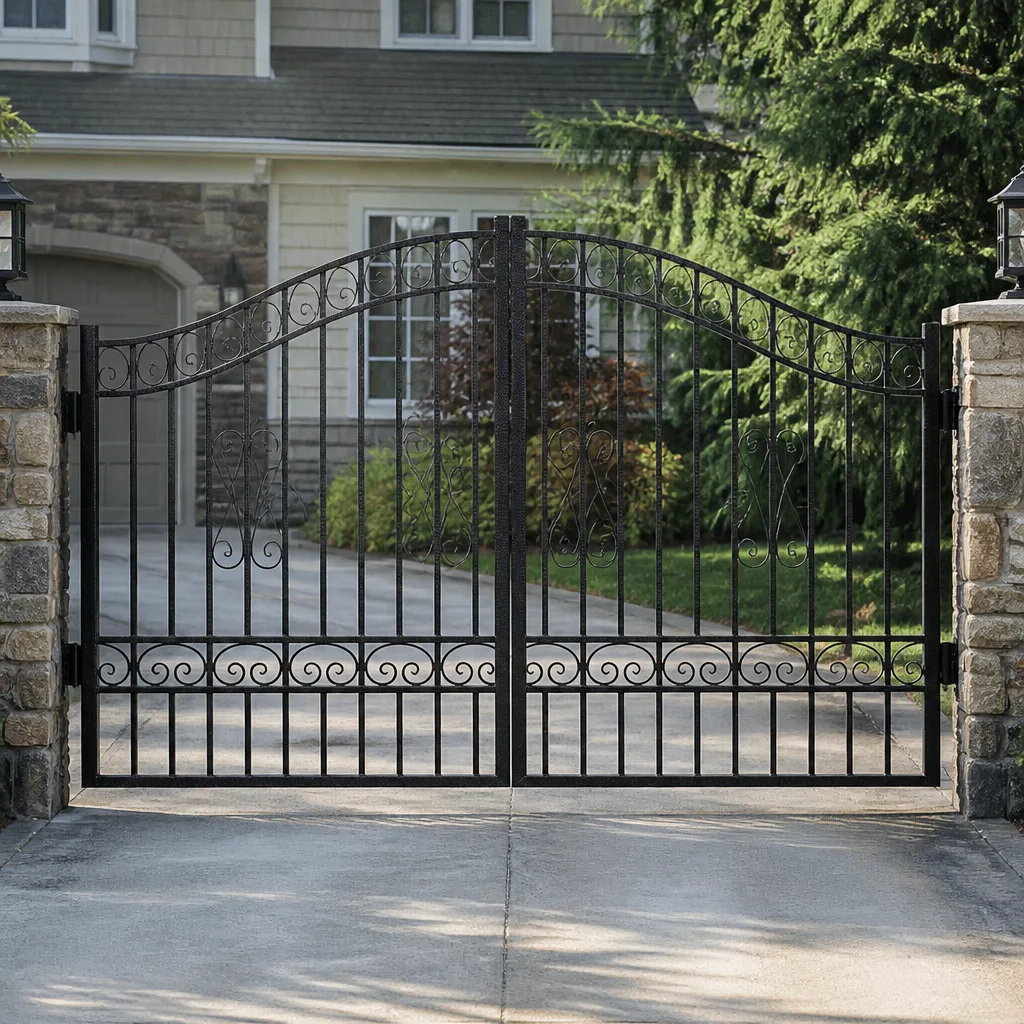 Wrought iron
 Farm & ranch
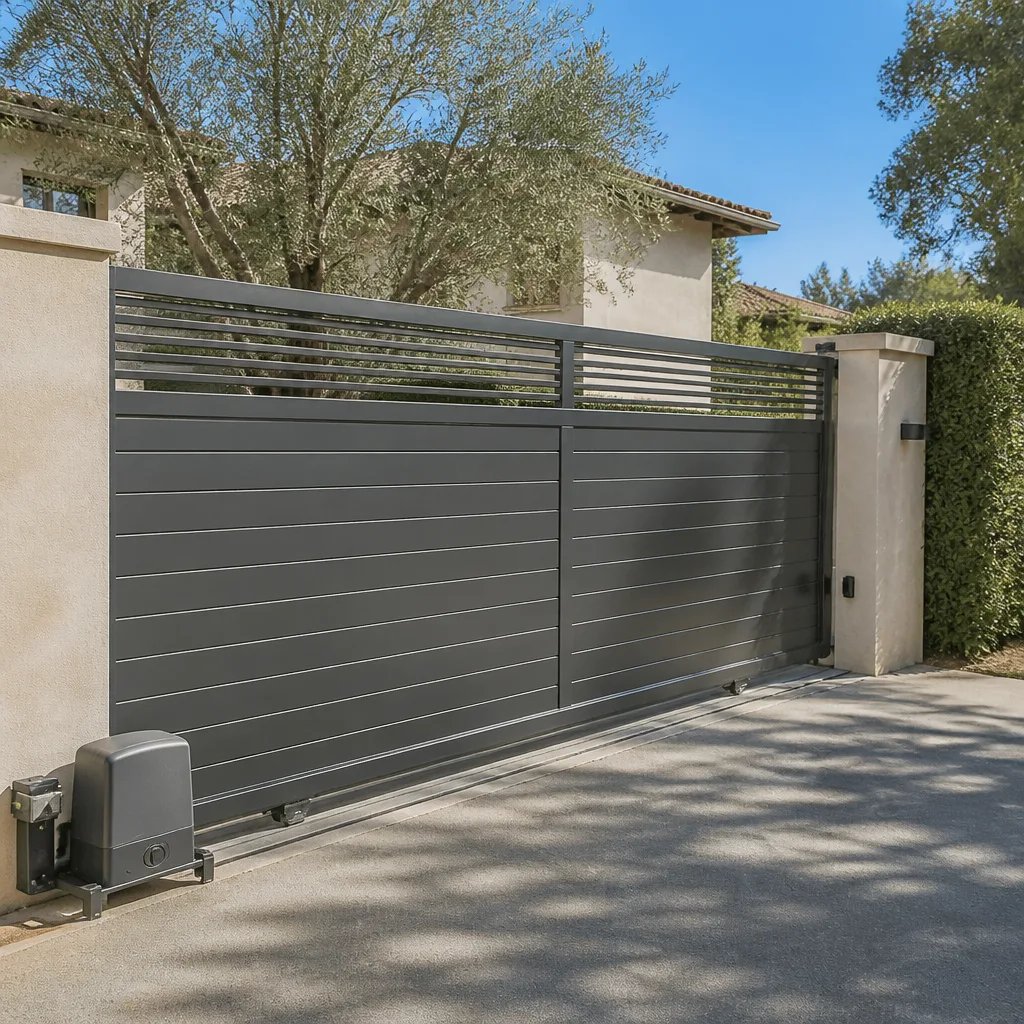 Sliding driveway gates
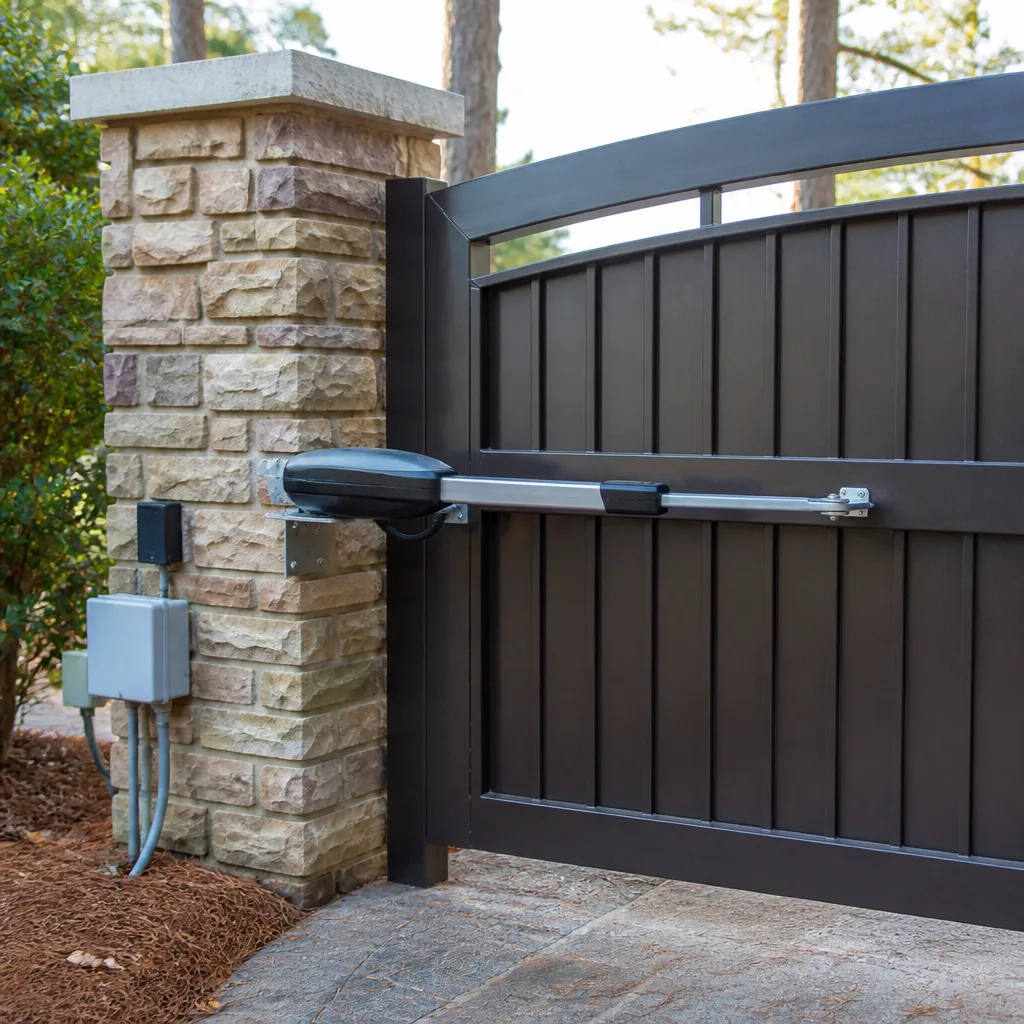 LiftMaster operators
Free on-site gate assessment - hinges, posts, and your LiftMaster or Nice gate operator checked before anything is quoted
The assessment is free and the quote is the invoice.
Get your free estimateGate Repair Maintenance Checklist for Hollywood Homeowners
A gate that passes a standard inspection in January can fail by August in Hollywood, not because the checklist was skipped, but because it was the wrong checklist for this climate. Most online maintenance guides were written for temperate regions with four predictable seasons. Hollywood, Florida gets two: wet and dry. And those two seasons interact with steel, electronics, and moving parts in ways that generic advice simply misses. This guide covers the actual degradation calendar Hollywood homeowners experience, with month-by-month tasks keyed to humidity, salt spray, rain, and surge season. You’ll learn what to inspect, what to lubricate, what to test after storms, and the one step most homeowners skip that voids operator warranties.
Styles & brands we work with
Quick Answer
A Hollywood gate maintenance checklist should include monthly track cleaning, seasonal lubricant application with marine-grade products, twice-yearly battery backup testing, post-storm electrical inspections, quarterly hinge and weld inspections for salt corrosion, and documented maintenance records for warranty protection. Be sure to review Gate Repair Permits, Codes & Inspections in FL: What You Need to Know if you’re planning major work. The wet season from May through October requires heavier attention than the dry months, and February is the most important month for preventive electrical work before spring surge season begins.
Table of Contents
- Hollywood’s Seasonal Gate Maintenance Calendar
- The 10-Minute Monthly Inspection
- Lubrication Products That Survive Broward Humidity
- Electrical and Battery Backup Checks for Storm Season
- Salt Corrosion: Catching It Before You See Rust
- The Warranty Step Most Homeowners Skip
- Brand-Specific Maintenance Notes
- Common Mistakes to Avoid
- When to Call a Professional
- Frequently Asked Questions
- The Bottom Line
Hollywood’s Seasonal Gate Maintenance Calendar
Hollywood’s climate doesn’t ask your gate for permission. From late May through October, daily thunderstorms roll through, humidity sits above 75 percent most mornings, and salt-laden air from the Atlantic works its way inland across neighborhoods like Hollywood Lakes, Emerald Hills, and Driftwood. Then the dry season arrives, and everything that absorbed moisture through the summer now bakes under a lower-humidity sun, which causes seals to crack and electrical connections to loosen as materials contract. A maintenance calendar built for this cycle looks different from the generic “check your gate every three months” advice.
We’ve worked on gates throughout Hollywood, and the failure patterns we see follow the weather almost precisely. Wet-season failures are electrical: shorted control boards, corroded terminal connections, saturated keypads. Dry-season failures are mechanical: seized rollers, cracked wheels, snapped hinge pins that rusted internally during summer and then seized when the rain stopped washing them. The maintenance calendar below accounts for that rhythm.
- February: This is your most important maintenance month in Hollywood. Perform a full electrical inspection, tighten all terminal connections, test the battery backup, and replace any corroded wire nuts before spring surge season begins. Lightning strikes and grid flickers are common from March onward, and a loose connection turns a minor surge into a fried control board.
- March through May: Dry-season final pass. Inspect all mechanical hardware including hinges, rollers, wheels, and track bolts. The dry months are when cracks and seized parts reveal themselves. Clean the track thoroughly before wet-season debris starts building up.
- June through September: Wet-season vigilance. After any storm with wind over 30 mph, check the track for palm fronds and debris, verify the gate still opens and closes fully, and listen for grinding or hesitation. Humidity is at its peak, so verify that limit switches and safety edges still respond. This is also when you should reapply marine-grade lubricant if you used a lighter product earlier in the year.
- October through December: Transitional inspection. The first cold fronts arrive and materials contract. Test the auto-reverse function, check for new rattling sounds, and inspect hinges for hairline cracks that may have formed during the thermal shift.
What surprises most Hollywood homeowners is that February matters more than any other month. Gates don’t usually fail during a storm. They fail in the weeks after, when corrosion and loose connections from months of humidity get their first real workout. If you only do one deep maintenance session per year, do it in February.
The 10-Minute Monthly Inspection
A thorough monthly inspection takes about ten minutes once you know what to look for. The goal is not to fix anything on the spot. The goal is to catch small changes before they become repair calls. Here’s the sequence we recommend to Hollywood homeowners, and it’s the same sequence our technicians walk through when they’re on site for a Gate Repair in Hollywood service call.
- Watch a full open and close cycle. Stand where you can see the entire gate path. Listen for grinding, clicking, or hesitation. A gate that pauses briefly mid-cycle often has a track obstruction or a failing limit switch. That pause is your early warning.
- Check the track for debris. In Hollywood, palm fronds, seed pods, and wind-blown leaves collect in tracks year-round. Even a small obstruction forces the operator to work harder, which shortens its life.
- Feel the gate for wobble. Push gently against the gate at the midpoint. A properly adjusted gate should feel solid. If it shifts more than a quarter inch, a hinge or roller is wearing.
- Inspect the safety edges. The rubber or foam strip along the leading edge and trailing edge should be intact and firmly attached. Press it with your hand. If it doesn’t retract or feels stiff, it needs attention.
- Look at the control board area. If your operator has a visible control board, check for dust buildup, cobwebs, or moisture stains. Ants and spiders love control boxes in Hollywood’s climate, and a single insect nest can short a board.
- Test the keypad and remote batteries. Weak batteries cause intermittent signal issues that get mistaken for board failures. Replace remote batteries every six months, keypad batteries annually.
If you find something wrong during a monthly inspection, don’t keep running the gate. A minor issue like a loose hinge becomes a bent track within weeks if the gate keeps cycling under load. Make the small adjustment or call for Gate Repair Troubleshooting: Common Problems and How to Fix Them before forcing it.
Lubrication Products That Survive Broward Humidity
The most common lubrication mistake we see in Hollywood is using a product that works great in dry climates but washes out or thins under Broward humidity. Standard WD-40 is a water displacer, not a lubricant. It’ll quiet a squeak for three days and then leave the metal drier than before. White lithium grease works for some applications but breaks down quickly when exposed to repeated rain and high heat. What you need is a marine-grade or heavy-duty synthetic product engineered for salt environments.
- For hinge pins and pivot points: Use a marine-grade synthetic grease. Look for products labeled for saltwater or marine use, like Lubriplate or Super Lube. Apply with a small brush or needle-tip applicator, working the grease into the pin. Wipe away excess so dirt doesn’t stick.
- For wheels and rollers: A dry-film lubricant with PTFE works well here. Wet lubricants attract sand and grit, which grinds down wheels quickly in Hollywood’s sandy soil. Dry film leaves a slippery coating without the mess.
- For the track itself: Do not lubricate the track. This one surprises people, but a wet or greasy track collects debris and causes the wheels to slide instead of roll. Clean the track, keep it dry, and let the wheels do their job.
- For chains and sprockets on chain-drive operators: Use a chain-specific spray lubricant, not grease. Grease on an exposed chain turns into a grinding paste in Hollywood’s dust and salt.
Reapply hinge and pivot lubrication three times per year in Hollywood: once in February before the dry season ends, once in May before the wet season starts, and once in September when peak humidity passes. If you live within a mile of the Intracoastal or the ocean in neighborhoods like Hollywood Lakes or North Beach, add a fourth application in July. The salt load is measurably higher near the water.
Electrical and Battery Backup Checks for Storm Season
Hollywood’s electrical grid takes a beating between March and October. Frequent lightning, substation switching, and transformer faults create voltage spikes that travel through power lines and into gate operators. The control boards in modern operators, including BFT, Linear, and Viking units, are sensitive to these events. A board that costs $400 to replace can often be protected by a $60 surge protector and two minutes of maintenance. Here’s what to check, and when.
Surge Protection
If your gate operator is plugged into a standard outlet without a surge protector, install one now. A whole-home surge protector helps, but a point-of-use surge protector at the outlet or a dedicated surge device inside the operator housing adds a second layer. The best setup is a surge protector rated for at least 1,000 joules, replaced every two years. After a major storm event or any noticeable power flicker, check the surge protector. Many have indicator lights that burn out when they’ve absorbed a hit.
Battery Backup Testing
If your operator has a battery backup, Hollywood’s storm season is when you want it working. Test it twice a year. The test is simple: unplug the operator from its power source and run a full open and close cycle on battery only. If the gate moves slower than normal or stops partway through, the battery is failing. Batteries in Hollywood’s heat last three to five years, not the seven or eight you might see in cooler climates.
Grounding and Connections
Humidity accelerates corrosion on every electrical connection in your gate system. Every February, open the operator housing and inspect the terminal blocks. Look for green residue, white powdery buildup, or loose wires. If wire nuts feel crusty or corroded, replace them and apply dielectric grease to the connections. This is the single highest-value electrical maintenance task you can do in Hollywood, and it prevents more Electric Gate Repair in Hollywood calls than any other single step.
After any storm with sustained winds over 40 mph, test the gate twice: once on wall power, once on battery backup if you have it. If the gate behaves erratically on battery, get the battery load-tested before the next outage. A gate that works on wall power but fails on battery gives you a false sense of security right up until the moment the power drops.
Salt Corrosion: Catching It Before You See Rust
Salt corrosion in Hollywood doesn’t announce itself with orange streaks right away. The first stage is invisible. Salt particles settle onto steel and aluminum surfaces, attract moisture from the air, and start a chemical reaction that weakens metal at the microscopic level. By the time you see rust blooming around a hinge or weld, the structural integrity is already compromised. The key is inspecting for pre-rust indicators: pitting, clouding, or flaking of protective coatings.
Neighborhoods east of US-1, including Hollywood Beach, Hollywood Lakes, and parts of South Lake, get noticeably more salt exposure than areas further west like Emerald Hills or 441 corridor. If you live east of Federal Highway, perform the following inspection quarterly. West of Federal, every six months is usually sufficient, though homes near larger bodies of water like West Lake or the Anne Kolb Nature Center may want to stay on the quarterly schedule.
How to Inspect for Early Salt Damage
- Examine all weld points. Look for hairline cracks radiating from welds. Salt weakening shows up at welds first because the heat-affected zone is more chemically reactive. Run a fingernail across the surface. A smooth surface is fine. A rough or pitted surface means the coating is breaking down.
- Check hinge hardware for clouding. Plated hinges and bolts get a dull, cloudy appearance before rust appears. This is the zinc or nickel plating being consumed. Shiny is good. Cloudy means the protective layer is almost gone.
- Look for paint bubbling. On painted steel gates, small bubbles in the finish indicate corrosion forming underneath. Don’t pop them. Mark the area and monitor it monthly. If the bubble grows, the underlying corrosion is active.
- Inspect the bottom rail closely. The bottom rail catches splash-back salt from rain and irrigation. It corrodes first on almost every Hollywood gate. Get low and look up at the underside of the bottom rail.
- Check aluminum gates for white powder. Aluminum doesn’t rust, but it does corrode. The sign is a white, chalky powder on the surface. This is aluminum oxide, and while it’s not immediately structural, it indicates salt is present and hardware like steel bolts is at higher risk.
If you find early-stage salt damage, clean the area with fresh water, allow it to dry fully, then apply a direct-to-metal primer and a matching finish coat. For hinges and hardware, replacement is often cheaper and safer than trying to rehabilitate corroded parts. Greasing over corrosion just seals the salt in and accelerates the damage.
The Warranty Step Most Homeowners Skip
Every major gate operator manufacturer, including Ghost Controls, BFT, Linear, and Viking, publishes a maintenance schedule in the operator manual. And almost every homeowner in Hollywood skips reading it. Here’s the part that matters: most operator warranties require proof of routine maintenance for warranty claims. When a control board fails at month 20 of a 24-month warranty, the manufacturer asks for maintenance records. Homeowners who can’t produce them get denied. We’ve seen it happen repeatedly.
The documentation doesn’t need to be elaborate. A simple notebook or a note on your phone works. Write down the date, what you inspected, what you cleaned or lubricated, and any parts you replaced. Take photos occasionally, especially of the control board area and hinges. A photo with a date stamp is better than a written note if a warranty dispute arises.
What should you document? Every lubrication application, every battery test with the date and result, every surge protector replacement, and every repair or adjustment made by a professional. If you have a service technician out for any repair, even a minor one, keep the invoice. It’s your proof that the system has been professionally maintained. We recommend creating a folder in your email or a physical folder in the garage. When you need it, you’ll be glad it exists.
Brand-Specific Maintenance Notes
Different gate operator brands have different maintenance personalities. Over years of working on residential and light-commercial gates across Hollywood, we’ve learned where each brand tends to fail in this climate. These notes aren’t meant to scare you, just to tell you where to look.
BFT Operators
BFT units are common in Hollywood’s condo communities and gated single-family properties. The brand’s control boards are well-sealed against moisture, but the limit switch assemblies are more exposed. In humid months, check the limit switch area for condensation. BFT also tends to be sensitive to voltage drops, so a battery backup test is more important than with some other brands. If your BFT operator is more than five years old and has never had a capacitor check, schedule one before storm season.
Linear Operators
Linear makes a range of operators from entry-level swing units to heavy commercial slide gates. The residential Linear units in Hollywood tend to show wear at the gearbox seals first. When the seal dries out in the dry season, humidity gets in during the wet season, and the grease breaks down. If you hear a groaning sound from the operator that gets louder over time, that’s often the gearbox. Checking and replacing the gearbox grease every three to four years extends the operator’s life significantly in this climate.
Viking and Ghost Controls
Ghost Controls specializes in DIY-friendly residential operators, and we see a lot of them on Hollywood properties. The brand’s plug-and-play design is a plus, but the connectors are more exposed than on professional-grade units. Dielectric grease on all plug connections is especially important for Ghost Controls units in coastal neighborhoods. Viking operators are heavy-duty and built for high-cycle commercial use. The trade-off is that Viking electronics are less forgiving of surge damage. If you have a Viking unit, do not skip the surge protector step. We’ve replaced more surge-damaged Viking boards in Hollywood than any other single brand.
Whatever brand you have, the maintenance principles in this guide apply. Specific model quirks are what service records are for, so keep yours.
Common Mistakes to Avoid
- Lubricating the track. A wet or greasy track in Hollywood collects sand and plant debris within days. The wheels need to roll, not slide. Keep the track clean and dry.
- Using WD-40 as a lubricant. WD-40 is a water displacer. It cleans and loosens, but it evaporates and leaves metal vulnerable. Use marine-grade grease or PTFE dry lubricant instead.
- Skipping the February electrical inspection. Hollywood’s surge season starts in March. February is your clean-up month. Loose connections and corroded terminals found and fixed in February prevent board failures in April.
- Ignoring a wobbling gate. A gate that wobbles more than a quarter inch is telling you a hinge or roller is failing. Running it anyway turns a $40 hinge replacement into a $600 track or operator repair.
- Not testing the battery backup until the power goes out. Batteries in Hollywood’s heat age faster than the manual suggests. Test twice a year, or find out your backup is dead the first time a hurricane takes out the grid and your gate won’t move.
- Throwing away service records. That invoice from a hinge replacement two years ago might be the proof you need for a warranty claim next month. File it.
- Waiting for visible rust before addressing corrosion. By the time rust is visible, the corrosion has been working for months. Inspect for pitting and coating clouding quarterly, especially if you live east of US-1.
When to Call a Professional
Some maintenance tasks are safe and straightforward for homeowners. Others are not. If you hear grinding from the operator gearbox, see burn marks or melted plastic on the control board, notice the gate drooping at the hinge side, or experience repeated breaker trips, stop running the gate and get a qualified technician to look at it. Gate operators contain stored energy in the springs and tension systems, and control boards carry low-voltage electricity that can still surprise you. Electrical diagnosis on these systems requires knowledge of how the safety circuits, loop detectors, and limit logic interact. A wrong guess at a wire connection can ruin a board or create a safety hazard. Carter Gate Repair offers free estimates in Hollywood, and we work on the gate you already have, whatever the brand. Call (866) 665-5592 for a professional inspection before small issues become full failures.
For a more detailed look at what Carter Gate Repair home can do for your property, or if you’re considering a new system, our Gate Installation in Hollywood page walks through the process. We’re gate specialists, not generalists, and we’ve worked on everything from a single driveway swing gate to multi-unit commercial slide systems throughout Hollywood.
Frequently Asked Questions
Perform a 10-minute visual inspection monthly, apply marine-grade lubricant to hinges and pivot points three times per year (February, May, September), and complete a full electrical and mechanical inspection twice a year, with the most important session in February before surge season begins. If you live east of US-1 within a mile of the coast, add a fourth lubrication application in July and inspect hinges for salt-corrosion indicators quarterly. Call (866) 665-5592 if you need help setting up a maintenance schedule.
Use a marine-grade synthetic grease on hinge pins and pivot points, a PTFE dry-film lubricant on wheels and rollers, and a chain-specific spray on chain-drive operators. Avoid standard WD-40, which displaces water but provides no lasting lubrication, and avoid white lithium grease, which breaks down quickly in Broward’s heat and humidity. Never lubricate the track itself.
Most likely, the checklist was written for a temperate climate and didn’t account for Hollywood’s salt air, 75 percent-plus humidity, and storm-season voltage fluctuations. A gate that passes a generic inspection in January can fail by August because corrosion, loose electrical connections, and battery degradation progress faster here than in most of the country. A Hollywood-specific maintenance calendar, like the one in this guide, addresses the real degradation timeline.
Yes. Salt spray travels further than most people expect. Homes east of US-1 get the heaviest exposure, but properties near large water bodies like West Lake, the Intracoastal, and the Anne Kolb Nature Center also see elevated salt levels. The first sign is usually clouding or pitting on plated hardware before visible rust appears. Quarterly inspection for early indicators is the right schedule for most Hollywood homeowners.
Most operator manufacturers, including BFT, Linear, Viking, and Ghost Controls, require proof of routine maintenance to honor warranty claims. A simple dated log of inspections, lubrications, battery tests, and repairs is sufficient in most cases. Photos with date stamps add extra weight. If you can’t produce records, a warranty claim can be denied even for a legitimate defect. Call us at (866) 665-5592 if you want a professional maintenance record started for your system.
First, check the track for debris like palm fronds and branches, then run a full open and close cycle to verify the gate moves smoothly and the auto-reverse function works. Test the battery backup by unplugging the operator and running a cycle on battery power. Check the control board area for moisture. If the gate hesitates, reverses unexpectedly, or trips a breaker, stop using it and call (866) 665-5592 for a professional diagnosis. Continuing to run a storm-damaged gate can turn a minor repair into a major one.
The Bottom Line
Gate maintenance in Hollywood is not a once-a-year chore and not a generic checklist you can copy from a national website. The wet and dry seasons create a rotating set of failure patterns: mechanical problems in the dry season, electrical problems in the wet season, and salt corrosion year-round for anyone near the coast. The most valuable habits are the monthly ten-minute inspection, marine-grade lubrication on a fixed schedule, surge protection and battery testing before storm season, and written maintenance records. For more guides & resources, explore our blog. A gate that gets this level of attention will outlast a neglected one by years, not months. And when a problem does appear, addressing it early always costs less than waiting.
Written by the team at Carter Gate Repair, serving Hollywood since 2015.
See the difference
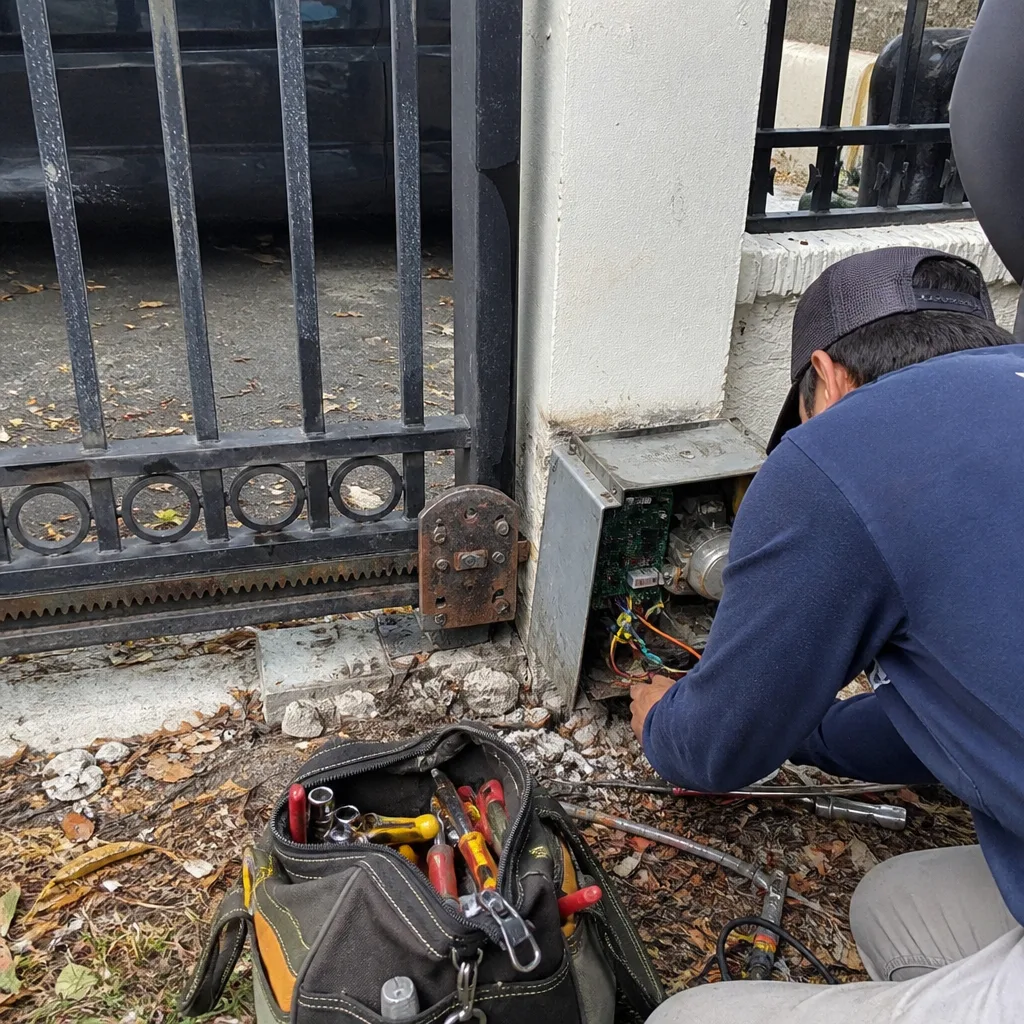 Before
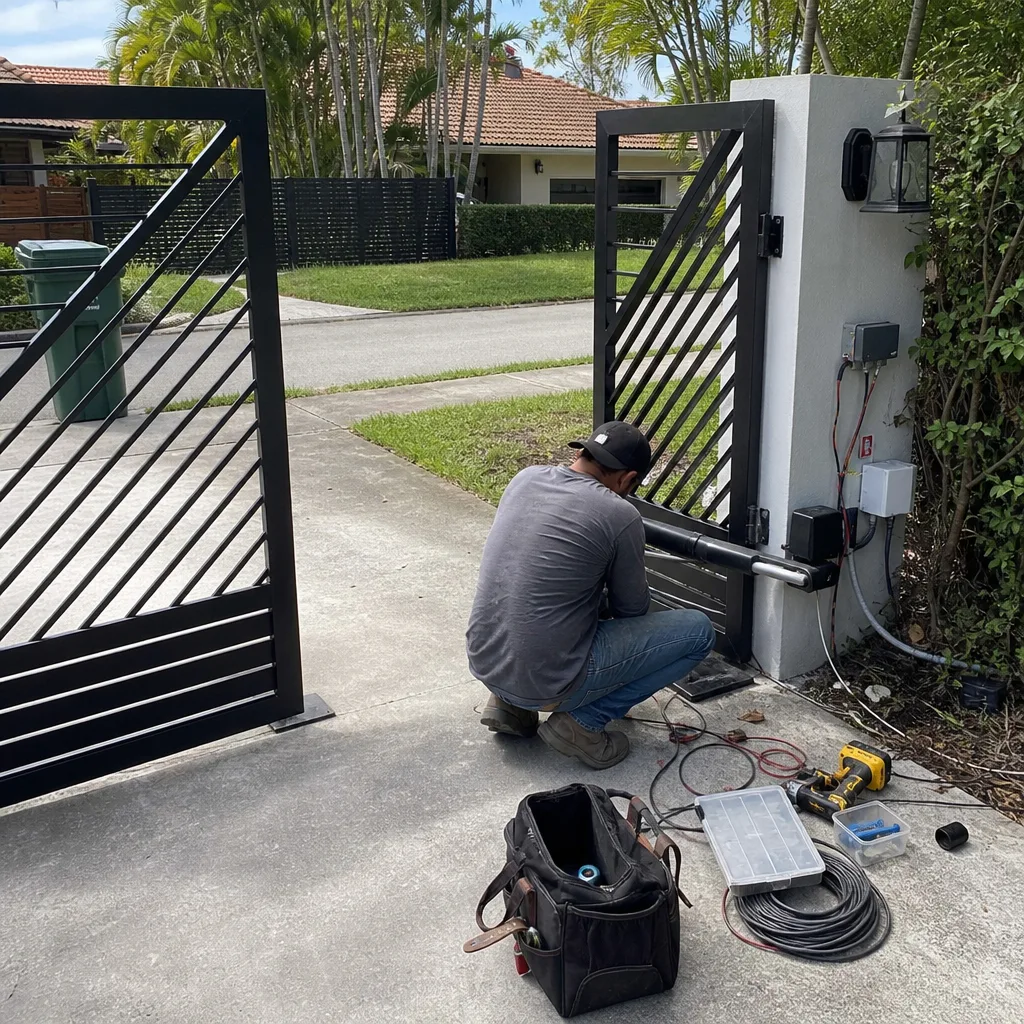 After
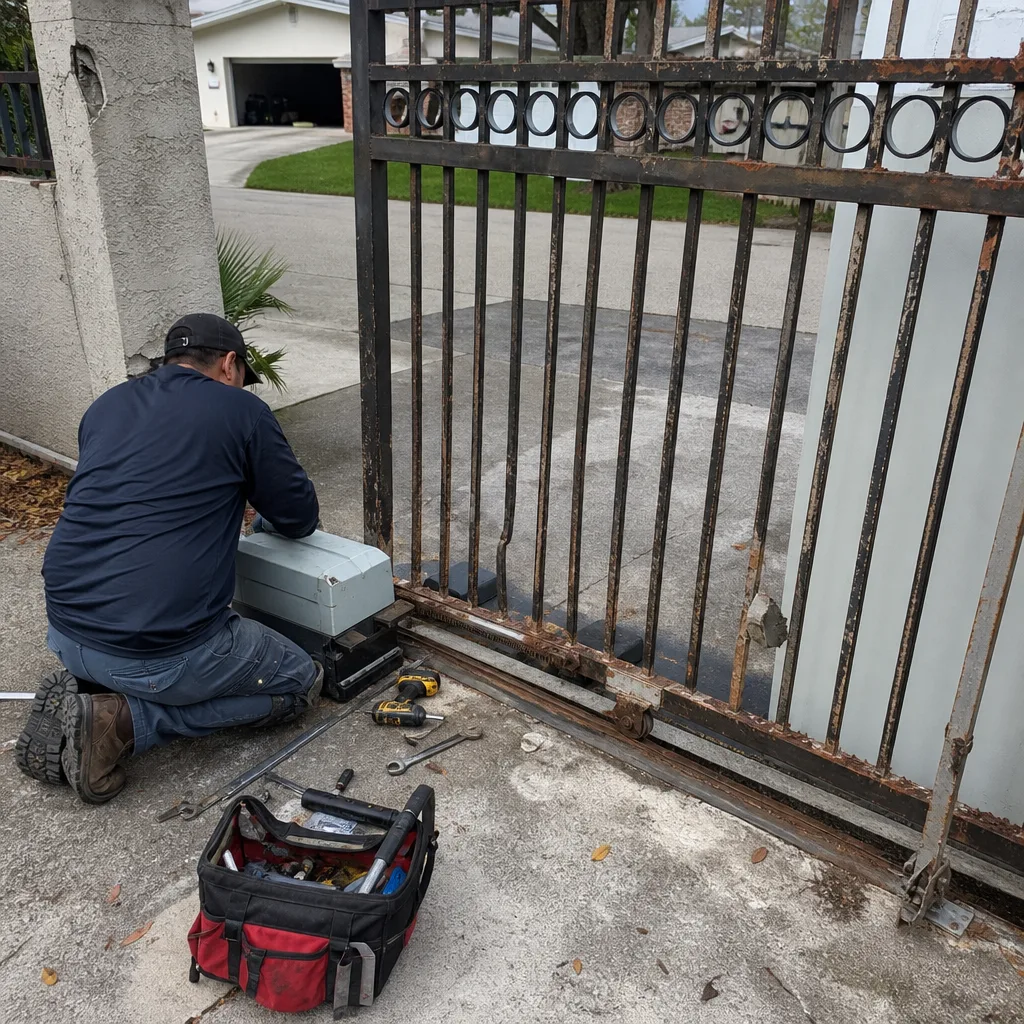 Before
 After
 Before
 After